

Welcome,
Thanks for checking out my blog. Everything I write here is meant to give you practical inspiration to further your journey. Whether you lead thousands or simply yourself, these pages are dedicated to your success.






-
 Unlock your leadership potential with strength-based assessments. Learn the importance of leveraging unique strengths for engagement, productivity, and success.James Robbins | May 10, 2023 |
 -
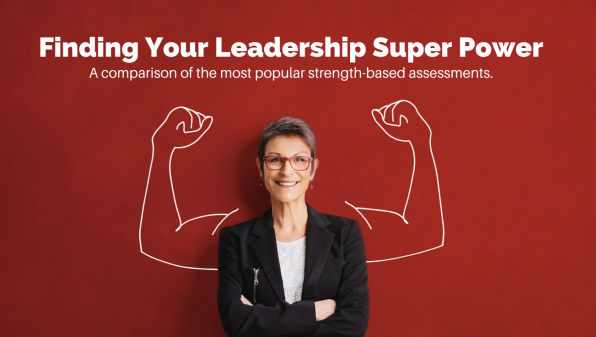 So, I'm a big fan of strength-based leadership. For years, I struggled as a leader trying to fit into a mold I thought I had to. Once I let go of that and began to embrace my true nature and talents, leadership became a lot easier, and definitely more effective. So if you want to become more effective, confident, inspirational, and just make leading a whole lot more fun, then it's time to start leveraging more of your strengths. One way to get started on your strength journey is with a Strengths-based assessments. These have become increasingly popular in recent years, with many organizations and individuals using them to identify and leverage their unique talents and skills. These assessments can be particularly valuable for leaders, as understanding one's strengths can lead to better decision-making, improved team dynamics, and increased motivation. So I thought it would be a good idea to review three of the most popular strengths-based assessments for leadership, explaining how they work, their pros and cons, and when to use each one. 1. StrengthsFinder (Now Called CliftonStrengths) How it works: Developed by Gallup, CliftonStrengths is based on the concept of 34 distinct strengths, or "talent themes," that can be grouped into four domains: executing, influencing, relationship-building, and strategic thinking. The assessment consists of 177 questions that measure an individual's natural patterns of thinking, feeling, and behaving, and ultimately ranks their top strengths. Pros: ● Backed by extensive research and a strong scientific foundation ● Provides in-depth, personalized feedback ● Focuses on the development of individual strengths Cons: ● Requires a paid subscription to access the full report ● May not provide a comprehensive view of an individual's weaknesses Best for: Leaders who want a research-backed assessment that provides detailed insights into their strengths, with resources for further development. *This is the assessment I use in my Natural Born Leaders program for CEO's and Biz Owners. We use it as a starting point for our work with them over a 16-week period. 2. VIA Character Strengths How it works: Developed by positive psychology experts, the VIA Character Strengths assessment is based on 24 universally valued character strengths that fall under six virtues: wisdom, courage, humanity, justice, temperance, and transcendence. The assessment consists of 120 questions and ranks the individual's character strengths in order. Pros: ● Free to Use ● Grounded in positive psychology principles ● Can be applied to various aspects of life, not just professional settings Cons: ● Less emphasis on specific skills relevant to leadership ● Results may be less actionable compared to other assessments Best for: Leaders interested in a holistic understanding of their character strengths and how they can be applied in both personal and professional contexts 3. 360-Degree Feedback How it works: 360-degree feedback is a multi-source feedback process in which individuals receive feedback on their performance from multiple sources, including peers, subordinates, and supervisors. This process typically involves completing questionnaires that assess an individual's strengths and weaknesses in various leadership competencies. Pros: ● Provides a well-rounded view of an individual's performance ● Encourages open communication and feedback within the organization ● Allows for targeted development of specific leadership skills Cons: ● Can be time-consuming to implement and analyze ● The quality of feedback may vary depending on the raters ● May be perceived as threatening or create tension among team members Best for: Leaders who want to gain a comprehensiveunderstanding of their performance from multiple perspectives and are willing to invest the time and effort required for successful implementation. Choosing the right strengths-based assessment for leadership depends on yourspecific goals and needs. CliftonStrengths offers research-backed, detailed insightsinto one's strengths, while VIA Character Strengths provides a broader view ofcharacter traits. Meanwhile, 360-degree feedback offers a comprehensiveunderstanding of one's performance from multiple perspectives. So there you have it. If you don't want to spend any money start with the VI CharacterStrengths, and go from there. But the most important thing, is to start leading more from your strengths. Because the best version of you, is absolutely enough! So there you have it. If you don't want to spend any money start with the VI CharacterStrengths, and go from there. But the most important thing, is to start leading more from your strengths. Because the best version of you, is absolutely enough!James Robbins | June 7, 2023 |
 -
 You've heard it said, "Double down on your weaknesses, and don't focus on your weaknesses." While there is wisdom in this, there's a giant piece missing and that has to do with something to do with your weaknesses. Because not all your weaknesses are actually weaknesses. Watch this short training where I break it all down for you: Triple Down on TheseJames Robbins | August 21, 2023 |
 -
James Robbins | August 29, 2023 |
-
James Robbins | August 29, 2023 |
-
James Robbins | August 29, 2023 |
-
Have you ever paused to ponder why some teams consistently outshine their peers, while others seem perpetually tangled in internal strife and missed goals? The answer lies not in resources, tools, or even sheer luck, but in the very foundation of how teams perceive challenges and opportunities: their mindset. If you’d rather watch than read, I broke this all down for you in a video form here: <video link blog> Decoding the Mindset Conundrum My journey into this fascinating realm of teamwork began with an exploration of team culture. It soon became evident that the true catalyst for high performance wasn’t about the right skills or even the right people—it was about fostering the right way of thinking. Drawing inspiration from Carol Dweck's groundbreaking work titled "Mindset: The New Psychology of Success," I delved into the contrasting worlds of the "growth mindset" and the "fixed mindset." At their core: Growth Mindset: This is the belief that irrespective of one's starting point, there's always room for improvement. It's a rallying cry for continuous learning, pushing boundaries, and embracing change. Fixed Mindset: In stark contrast, this mindset clings to the notion that our abilities and talents are pre-determined. This static view can be a major roadblock in personal and professional growth. The Power of a Growth Mindset Teams that cultivate a growth mindset stand to gain a treasure trove of benefits: Resilience in the Face of Challenges: They don’t see setbacks as final; instead, they view them as learning opportunities. Boosted Motivation: Believing in the possibility of improvement naturally fuels the drive to achieve it. Continuous Improvement: These teams are on a relentless quest for betterment, always seeking ways to elevate their game. Enhanced Collaboration: Fear of failure diminishes, fostering an environment where risks are taken, and innovation thrives. A New Perspective on Failure: It isn't viewed as the end but as a stepping stone toward success. Seven Pillars to Building a Growth Mindset Culture Praise the Process, Not Just the Outcome: Recognize the journey, not just the destination. Valuing the process ensures consistent motivation and progress. Reward Risk-Taking: Encourage your team to step out of their comfort zones, understanding that even if risks lead to failures, they often pave the way for groundbreaking innovations. Champion Continuous Learning: Make it a point to constantly ask, "What did we learn?" This encourages a culture of consistent growth and improvement. Turn Failures into Lessons: Instead of penalizing errors, transform them into learning opportunities. Reframe Perceptions of Feedback: It's not about criticism but about growth. Cultivate a culture where feedback is actively sought and constructively acted upon. Challenge Fixed Mindset Language: Anytime someone implies a limit to their potential, prompt them to reframe it. Model the Growth Mindset: Be the embodiment of the principles you preach. Your team will mirror your commitment to growth and improvement. Embracing a growth mindset doesn't promise instant results. It's a journey—one that demands persistence, commitment, and unwavering faith in the potential to evolve. However, when teams truly commit to this transformative mindset, challenges become opportunities, setbacks become setups for comebacks, and true excellence becomes achievable. It's perhaps the most powerful gift you can offer your team—a compass directing them toward uncharted territories of success.James Robbins | October 16, 2023 |
-
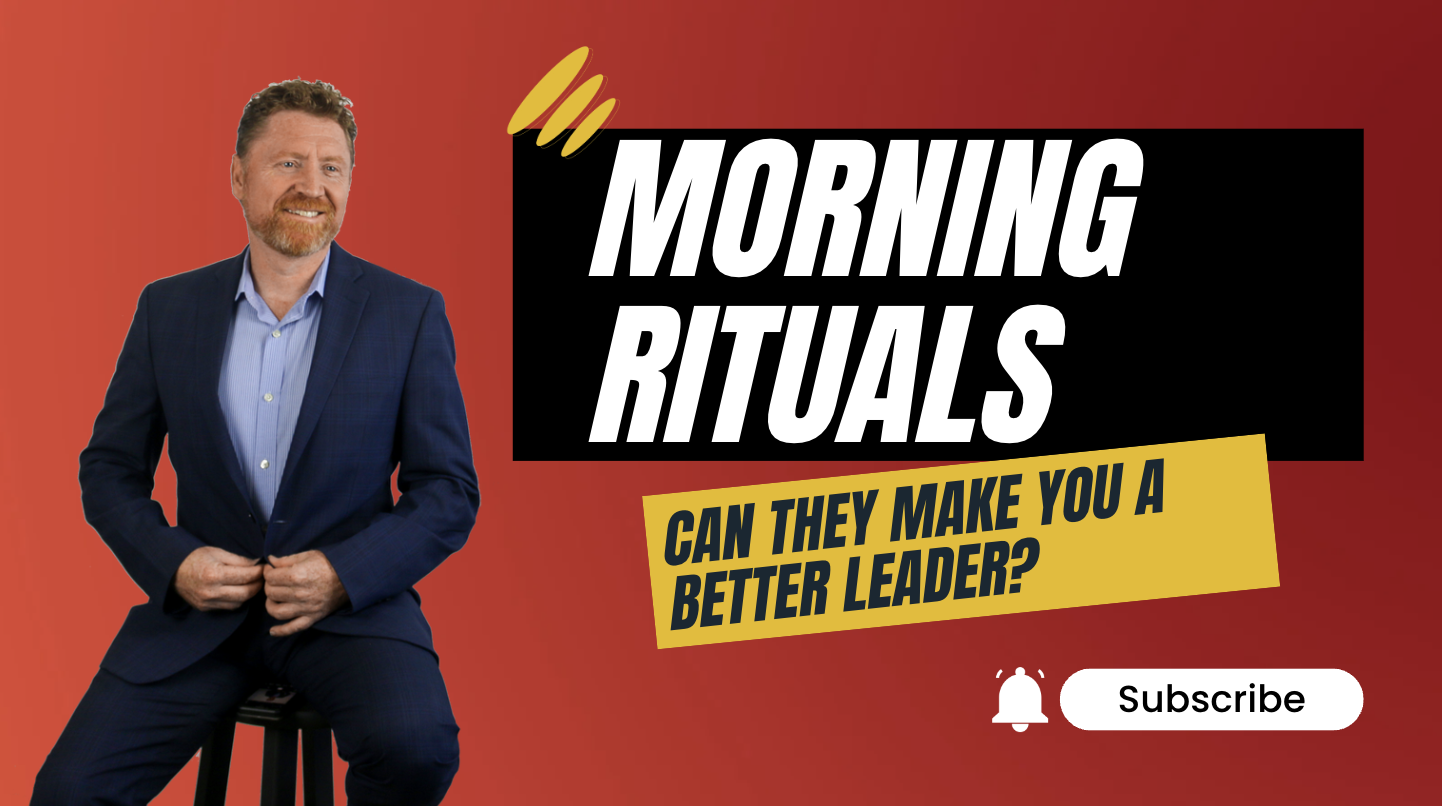 Are you aware that there exists a special day in the year when you're given the secret key to reshape your path to success? This key, when used correctly, possesses the incredible power to transform your journey. Surprisingly, it's not your birthday, and it's not New Year's Day; it's something even more influential. So, what is this extraordinary day, and how can it amplify your success? In just a few days, most of us will witness the clocks changing, and with that comes an extra hour. Some may view it as an opportunity for an extra hour of sleep, but what if you could utilize that extra hour to kickstart a transformative journey? In today's post, we're delving into the hidden potential of morning rituals. Morning rituals are especially critical for leaders like you and me. But why are they so essential? Morning rituals are not mere mindless habits; they are the cornerstone of personal mastery. Ask top CEOs, artists, athletes, and deep thinkers about their secrets, and many will mention their morning ritual. Why? Because mornings offer the freshest mindset, free from distractions and daily pressures. How you begin your day often sets the tone for how you navigate it. Your morning ritual serves as the compass for success. After all, the person who wins the day ultimately wins their life. A morning ritual fosters clarity, ignites passion, and establishes the tone for your entire day. A morning ritual is not just a series of actions; it's a sacred space, a sanctuary of serenity, introspection, and intentionality. It's about becoming the best version of yourself every day. However, it's crucial to understand that your morning ritual should resonate with you. It's deeply personal, and copying someone else's routine won't yield the same results. To create a morning ritual tailored to you, you'll need to experiment. Here are some steps to get you started: 1. Start Simple: Don't overwhelm yourself, especially if you're new to morning rituals. Begin with one or two activities that feel right for you and gradually add more over time. 2. Prioritize Consistency: It's better to have a shorter ritual that you stick with daily than a long, elaborate one that you abandon after a week. 3. Set Clear Intentions: Before starting your ritual, ask yourself what you want to achieve. Is it mental clarity, emotional balance, physical energy, or all of the above? 4. Experiment: Try different activities and find what resonates with you. Now, let's explore some activities you can incorporate into your morning ritual: Meditation: Cultivate calm, clarity, and centeredness. Start with five minutes of focused breathing and gradually explore guided meditations and mindfulness practices. Gratitude Journaling: Shift your focus from what you lack to what you have by jotting down three things you're grateful for each morning. Reading: Dedicate 10 to 15 minutes to read a book that resonates with your personal or professional growth. Physical Activity: Engage in simple stretches, a quick yoga sequence, or a brisk walk to boost your mood, energy, and overall well-being. Visualization: Envision your goals to align your subconscious with the actions needed to achieve them. Mindful Breathing: Ground yourself in the present moment and reduce stress by focusing solely on your breath. Remember that the beauty of your morning ritual lies in its uniqueness to you. It's about finding what ignites your spirit and prepares you to face the world as the best version of yourself. So, dedicate just 10 minutes tomorrow morning to pick one or two of these activities and engage in them wholeheartedly. Gradually build your personalized ritual over time. As the clocks grant us an extra hour, view it as a sign to reclaim your morning and, in doing so, reclaim your day and your energy. A well-crafted morning ritual can help you lead with your best energy and be your best self as a leader.James Robbins | October 17, 2023 |
 -
 As a CEO, your ability to connect with your audience is paramount. Whether it's an investor pitch, a company update, or a keynote address, grabbing their attention and building trust is crucial. This blog explores the Law of Affinity, a powerful principle that helps you forge a connection with even the most unfamiliar audience. Why Affinity Matters: Imagine yourself in a foreign country, lost and struggling to communicate. Suddenly, you hear someone speaking your language – instant relief and connection! That's the power of affinity. In presentations, it's the feeling of "being understood" that bridges the gap between you and your audience. People are more receptive to messages from someone they feel they have something in common with. Creating Affinity in Action: Share Personal Stories: Rural Hospital: Narrating your childhood experience with rural healthcare resonates with the audience facing similar challenges. Postal Service: Recalling your childhood excitement about a mail-order gift reminds them of the impact they create. Ball Corporation: Showcasing your plant tour photos and stories about workers builds a personal connection with the audience. Highlight Their Importance: Emphasize the value of rural hospitals. Express gratitude to postal workers for their dedicated service. Acknowledge the critical role plant managers play in manufacturing. Key Takeaways: Show that you understand their world: Share experiences related to their industry or challenges. Remind them of their importance: Make them feel valued and appreciated. Stories are powerful tools: Use them to create emotional connection and build trust. Putting it into Practice: Research your audience: Understand their industry, challenges, and aspirations. Craft stories that resonate: Share personal anecdotes that connect with their world. Highlight their impact: Show how your message or product benefits them and their work. By mastering the Law of Affinity, you can transform your presentations from informative talks to impactful experiences that resonate with your audience on a deeper level. Remember, connection precedes influence, and affinity is the key that unlocks it.James Robbins | February 20, 2024 |
 -
 Ever wonder how some leaders seem to have a magical ability to get people jazzed about doing pretty much anything? Like, they could probably rally a team to get excited about organizing a sock drawer. It’s not magic; it’s understanding the psychology of motivation. Let’s dive into the nitty-gritty of what makes people tick and how you can use this knowledge to light a fire under your team. Know Your Why (And Share It) Simon Sinek hit the nail on the head with his "Start With Why" mantra. People aren’t inspired by what you do; they’re moved by why you do it. The key here is to communicate your vision in a way that connects with your team's values and aspirations. It's about making the mission so compelling that they can't help but want to be part of it. Think of it as the difference between inviting someone on a treasure hunt versus asking them to dig a hole. Autonomy is Your Best Friend Here’s the deal: nobody likes to be micromanaged. It’s like being back in kindergarten with someone constantly over your shoulder, except you’re an adult, and it’s not cute. Top leaders understand that giving people autonomy—letting them choose how they achieve the goals—sparks motivation. It’s about trusting your team to take the reins once they know the destination. Mastery: Let Them Level Up People love to feel like they’re getting better at something—it’s why video games are so addictive (Level up, anyone?). Encourage your team to develop their skills and provide opportunities for them to do so. This could mean workshops, courses, or just assigning tasks that stretch their abilities. The message you’re sending is, “I believe in your potential to grow.” Make It a Game: The Power of Gamification Ever noticed how some tasks feel less like work and more like play? That’s gamification in action. It's about incorporating elements of play and competition into the work environment. Set up challenges, leaderboards, or even simple reward systems. It’s like turning productivity into a sport, where everyone’s trying to beat their personal best. Recognition: The Secret Sauce Never underestimate the power of a well-timed “great job!” Recognition, whether it’s a shout-out in a meeting or a thoughtful note, makes people feel seen and appreciated. It’s the psychological equivalent of a high-five. Make sure your praise is specific and sincere; generic compliments are the motivational equivalent of “thoughts and prayers.” Connection: We’re All in This Together Finally, fostering a sense of belonging and community can turbo-charge motivation. When people feel like they’re part of something bigger—a team, a mission, a movement—they’re more likely to put their heart and soul into their work. It’s about creating a culture where everyone feels they’re rowing the boat together, not just floating alone on a life raft. Wrap-Up So, there you have it. The psychology of motivation isn't about manipulating people to do what you want. It’s about inspiring them to want what you want. It's part art, part science, and a whole lot of empathy. By tapping into these psychological triggers, you can turn even the most mundane tasks into missions that your team is eager to tackle. Now, go forth and inspire!James Robbins | March 6, 2024 |
 -
 Alright, let's talk company culture. You know, that elusive magic that makes some companies seem like Disneyland for adults and has everyone else wondering, "What's in their water?" It's not magic, nor is it about fancy office perks—it's about cultivating an environment where people thrive. How, you ask? Frameworks, my friend. Not the boring kind, but the kind that gives you x-ray vision into the heart of your company. Let's dive into five of them without putting you to sleep. The Competing Values Framework: Your Company's Personality Test Think of this as the Myers-Briggs test for your company. It breaks down cultures into four types: Clan (friendly), Adhocracy (innovative), Market (results-oriented), and Hierarchy (structured). The trick is not just knowing where you fall but understanding how to balance or tilt the scale to where you want to be. It’s like choosing your company’s personality, with the goal of making it a place where employees don't hit snooze five times before coming to work. The Denison Organizational Culture Model: The Culture Makeover This model is your go-to for a culture facelift. Focusing on Involvement, Consistency, Adaptability, and Mission, it’s like having a roadmap for building a culture that’s not just nice to look at but also performs. Imagine a workplace where everyone feels like they're part of something bigger, knows the drill, quickly adapts to market changes, and wakes up knowing why they do what they do. That's the dream, right? Schein's Levels of Culture: The Archaeological Dig Edgar Schein invites us to be cultural archaeologists in our own companies. Digging through Artifacts (visible culture), Espoused Values (what we say we value), and Basic Underlying Assumptions (the subconscious heart of the culture). It’s about understanding that the free espresso machine is cool, but what really matters is the unspoken beliefs that guide how we work together. It's deep stuff but crucial for real change. The Cultural Web: Weaving the Fabric of Your Culture Imagine your company’s culture as a tapestry. The Cultural Web helps you see the threads of Stories, Rituals, Symbols, Structure, Control Systems, and Power Dynamics that make up the whole picture. It’s about spotting the frayed edges and understanding how to weave them into a stronger fabric. This is where you get to be both the artist and the craftsman, thoughtfully redesigning how things are done. The OCAI (Organizational Culture Assessment Instrument): The Culture Check-Up Developed from the Competing Values Framework, think of OCAI as your annual culture check-up. It's a straightforward survey that gives you a snapshot of where your culture stands and where it might need some vitamins or maybe even surgery. It’s like having a Fitbit for your company culture, constantly monitoring and guiding you towards better health. Wrapping Up So, there you have it—five frameworks that are your allies in the quest for a killer company culture. Remember, elevating your company culture isn't about copying Google's homework. It's about carving out your unique path to a workplace where everyone is jazzed to be part of the journey. And hey, if this feels overwhelming, just pick one framework to start with. Experiment, learn, and iterate. Culture change doesn’t happen overnight, but with persistence, you can create an environment where employees feel valued, engaged, and motivated. Now, go forth and cultivate the kind of culture that not only looks good on paper but feels amazing to be part of. Here’s to building workplaces where Monday morning blues are replaced with TGIM – Thank God It’s Monday!James Robbins | March 6, 2024 |
 -
 Have you ever witnessed a moment so raw and genuine it brought the room to a standstill? I'm talking about the kind of authenticity in leadership that can move you to tears, break down walls, and forge connections stronger than steel. It's these moments, steeped in vulnerability, that underscore a truth many leaders shy away from: the incredible power of authentic communication. When I was a young leader, I avoided vulnerability like the plague. I didn’t want anyone to see the cracks in my foundation, so I kept everything on the surface. The problem though was a staff that felt disconnected from me. Vulnerability: The Unsung Hero of Leadership The journey of authentic communication often begins with a leader's willingness to be vulnerable. It's about peeling back the armor to reveal the human beneath the role. This isn't about airing dirty laundry or oversharing. It's about admitting you don't have all the answers, sharing personal stories of failure and growth, and showing that it's okay to be imperfect. Vulnerability is the glue that binds leader and team, transforming "me versus them" into "us." Listening: The Silent Strength Authentic communication is as much about listening as it is about speaking. It's the art of truly hearing—beyond words. It's about understanding the hopes, fears, and dreams of those you lead. This type of listening builds a bridge of empathy and shows your team that they're seen and valued. It's the difference between a team that feels like they're working for you and a team that knows they're working with you. Honesty: The Best Policy Honesty in leadership fosters trust and respect. This doesn't mean bluntly delivering harsh truths without consideration. It's about being transparent with your intentions, decisions, and the reasons behind them. When leaders communicate with honesty, they lay the foundation for a culture where everyone feels safe to speak their truth. It's a ripple effect that encourages openness and fosters a sense of belonging. Emotional Intelligence: The Secret Weapon Emotionally intelligent leaders understand the power of their words and the impact they have. They navigate conversations with a keen awareness of emotional cues, responding with empathy and compassion. This level of attunement allows leaders to connect on a deeper level, turning simple exchanges into moments of meaningful engagement. Action: Speaking Louder Than Words Authentic communication isn't just about what we say; it's about what we do. It's leading by example, following through on promises, and showing that your words are not just spoken but lived. This congruence between words and actions is what cements a leader's credibility and earns the unwavering loyalty of their team. The Transformative Power of Authentic Communication When leaders embrace authentic communication, they unlock a level of connection and engagement that's unparalleled. Teams rally not just behind a vision but a person. Challenges become shared quests rather than burdens. And the workplace transforms from a space of transaction to one of transformation. In the end, authentic communication in leadership isn't about being moved to tears; it's about moving forward together, bonded by trust, inspired by vulnerability, and driven by a shared purpose.James Robbins | March 6, 2024 |
 -
 When I’m coaching CEOs or Senior Executives, there’s one phrase that almost everyone says at the end of our first session. And it goes something like this: “It just feels so nice to be able to talk to someone about this stuff.” Because as leaders we carry a lot, and we don’t want to dump it on our partners, our people, or our pets. Let's get real for a moment. Leadership isn't all standing ovations and high-fives in the hallway. It's also those 2 AM stares into the fridge, wondering if you're the only one feeling like you're navigating a ship through a storm without a compass. Yes, leadership can be incredibly lonely. And since we're being honest here, I've had my share of those moments, those stretches of road that felt more like walking through a desert than leading a team to victory. The Weight of Decision-Making It hit me hard early on. The realization that every decision I made didn't just affect me but an entire team, their families, and our collective future. It's like carrying a backpack filled with bricks up a hill, except the bricks are decisions, and the hill never really flattens out. There were days I wished for a co-pilot, someone to share the load, to bounce ideas off, or just to say, "Hey, I think you're doing the right thing." The Echo Chamber of Doubt Doubt is a tricky companion; it loves to whisper in the quiet moments. "Did I handle that right?" "Could I have done more?" “Should I have let them go?” And when I didn’t have someone to share those with, they intensified. I found myself in an echo chamber of my own making, where the doubts grew louder, bouncing off the walls I'd put up to protect my team from my uncertainty. Finding Solitude in the Crowd Ironically, the loneliest moments often came when I was surrounded by people. In meetings, at company gatherings, smiling and nodding, yet feeling an ocean of distance between me and everyone else. It was as if I was standing on one shore, my team on another, and no bridge between us. I was the leader, yes, but also an island. I know I’m not the only one whose felt like this as I hear this repeated over and over again by executives we work with. The Turning Point: Embracing Vulnerability The game-changer for me was embracing vulnerability. It sounded counterintuitive—weren't leaders supposed to be invincible? But the more I opened up, shared my uncertainties, and admitted I didn't have all the answers, the less lonely leadership felt. It was as if admitting my vulnerability gave others permission to share theirs, bridging the gap I'd felt for so long. Building Bridges, Not Walls I learned that leadership isn't about having a fortress around you; it's about building bridges. I started having real conversations, not just about targets and objectives, but about fears, dreams, and the messy middle we all navigate. These conversations didn't weaken my leadership; they fortified it with trust, respect, and a sense of shared purpose. The Light at the End of the Tunnel Looking back, those lonely moments were also my moments of greatest growth. They taught me resilience, empathy, and the power of genuine connection, and that I’m often not right. Leadership might be a journey you start alone, but it doesn't have to be a lonely one. It's about finding your tribe, your fellow travelers, and realizing that vulnerability isn't a weakness—it's your strongest bridge. Climb with Us! If you would like to surround yourself with a tribe of amazing leaders then consider joining our Natural Born Leaders Program. Think Mastermind, but way more fun. I’ll leave a link below for you in case you’d like to jump on a call to find out more about it. Closing Thoughts To anyone walking through leadership's loneliest moments, know this: you're not alone. The road might feel deserted, but it's lined with others who've walked it before and are walking it now. Don't be afraid to reach out, to share the load, to be vulnerable, beautifully human. Because on the other side of loneliness is a community waiting to embrace you, scars and all.James Robbins | March 20, 2024 |
How to Become the Leader Everyone Wants to Follow.